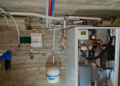
Regular air source heat pump maintenance ensures consistent performance, energy efficiency, and longevity, and reduces the risk of unexpected failures during the heating season.
When performing maintenance, it’s ilmalampopumpun huolto the manufacturer’s instructions and consider operating conditions, including air dust levels, operating intensity, climatic loads, and power quality.
Maintenance procedures typically include the following sequential steps: initial inspection and diagnostics, checking the condition of filters and heat exchangers, monitoring the drainage system and fasteners, evaluating the operation of fans and sensors, and measuring operating parameters (temperature, pressure, and energy consumption). Special attention is paid to safety: before work, the equipment is de-energized, access requirements for the outdoor and indoor units are observed, and inspection results are recorded to plan further preventative measures.
Seasonal Inspection Schedule
The seasonal inspection schedule for air source heat pumps is structured around two key periods: preparation for the heating season and preparation for summer mode (cooling). The purpose of these checks is to confirm the operability of the components, maintain the stated energy efficiency, and proactively identify deviations that lead to emergency shutdowns during peak loads.
Seasonal inspections are performed under stable weather conditions to accurately assess operating parameters: refrigerant pressure and temperature, defrost stability, heat transfer quality, and control accuracy. If necessary, adjust the modes and record the results in the service log to monitor the dynamics of the indicators.
What to check before the season
- Outdoor unit: clean the heat exchanger from dust/lint, check for free air inflow and exhaust, inspect the vibration mounts and fasteners, check the fan operation and the absence of extraneous noise.
- Drainage and defrosting: check the condensate and melt water drainage, the absence of freezing in the drainage channels, the operability of the defrost algorithm and sensors.
- Hydraulic circuit (if applicable): check pressure, tightness of connections, condition of dirt filters, operation of the circulation pump, absence of air in the system.
- Electrical part: tighten terminals, check contactors/relays, cable integrity, correct protection (circuit breakers, RCDs), estimate the current consumption on modes.
- Refrigerant circuit: inspection for leaks, assessment of overheating/subcooling and temperature stability, accuracy of sensor readings.
- Automation settings: updating graphs and setpoints, checking mode switching logic, testing alarms and display accuracy.
Service Frequency
Service frequency depends on the intensity of use, dustiness of the site, the presence of animals/fur, and the operating mode (heating only or year-round). The minimum guideline is two seasonal inspections per year, and for systems with year-round loads, high humidity, or complex hydraulics, additional check inspections are useful.
In practice, it is convenient to divide the maintenance schedule into operations performed by the user (without interfering with the refrigerant and electronics) and the work of the service organization. It is important to comply with the following requirement: any work with the refrigerant, electrical panels, and internal components under voltage must be performed only by a qualified specialist, and the maintenance results must be recorded in a log with dates and parameters.
- Monthly during the season: visual inspection of the outdoor unit, removal of debris around it, noise/vibration monitoring, room temperature stability check, controller error monitoring, drainage check (during cooling).
- Every 3–6 months: heat exchanger cleaning (for contamination), inspection of fasteners and impeller/grille condition, inspection of hydraulic circuit filters and their flushing/replacement (if provided), pressure check in the heating/DHW system (if connected).
- Twice a year (spring/fall): full seasonal maintenance with defrost check, sensors, automation, electrical parameter measurements, pump and valve performance assessment, protection test, and Emergency modes.
- Annually: Advanced diagnostics with trend analysis (consumption, defrost time, supply/return temperature), leak testing and refrigerant parameters according to the manufacturer’s methodology, inspection of thermal insulation and corrosion protection, inspection of components for vibration damage.
- Every 2–3 years (or as needed): In-depth hydraulic inspection (circuit flushing if signs of contamination are detected), replacement of consumables, preventative maintenance of circulation pumps and valves, checking coolant quality and adjusting its parameters if necessary.
If frequent defrosts, increased consumption, a drop in supply temperature, pressure/temperature errors, or unusual noises occur, unscheduled maintenance is performed immediately, without waiting for the next scheduled service.